




To get a PCB made, prepare the Gerber files, drill files, board specifications, quantity, surface finish, copper weight, lead-time target, and any assembly or testing notes before asking a manufacturer for a quote. A PCB factory can build the board only when the fabrication data and purchasing assumptions are clear enough to check manufacturability, estimate cost, and avoid hidden changes after the order starts.
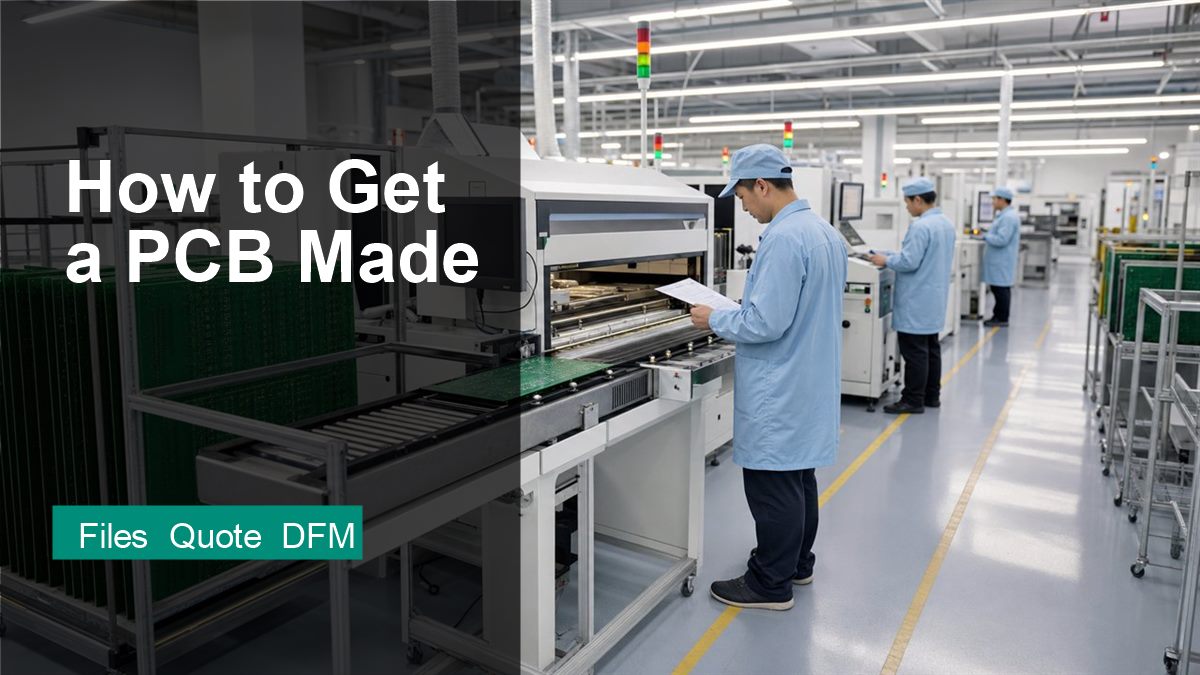
The most common mistake is sending only a design screenshot or a partial export and expecting an accurate price. A manufacturer needs production files, not just the idea of the board. If the files are incomplete, the quote may look fast, but the order can slow down when CAM engineers find missing drill data, unclear layer order, unsupported copper spacing, or special requirements that were not included in the first request.
What Should You Prepare Before Asking a PCB Factory for a Quote?
Before asking for a PCB quote, prepare the manufacturing files, board specifications, order quantity, delivery target, and any special process requirements. These items help the supplier understand whether the board is a simple prototype, a low-volume engineering build, or a production job that needs tighter process control.
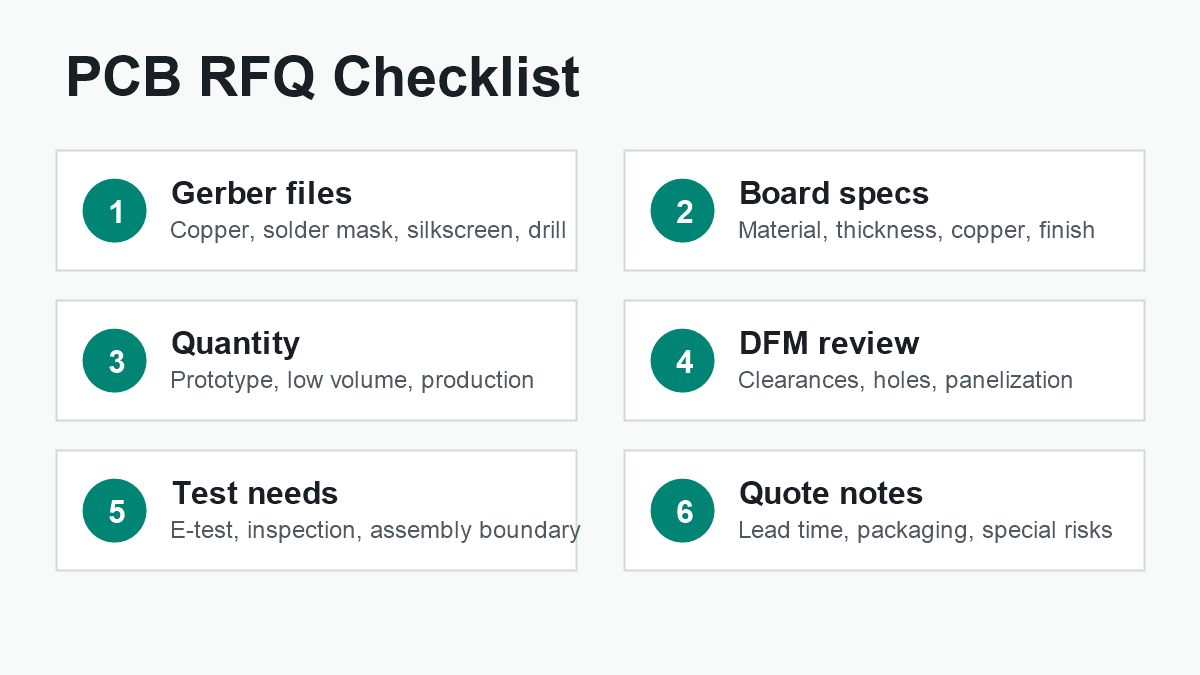
A useful RFQ does not need to be long, but it must remove guesswork. Include the project name, revision number, expected quantity, board size, layer count, material, copper thickness, solder mask color, silkscreen color, surface finish, impedance needs, testing needs, and delivery expectation. If the board later needs PCB assembly, say that early because panelization, fiducials, finish choice, and testing may change.
Which Files Does a PCB Manufacturer Need to Make Your Board?
A PCB manufacturer normally needs Gerber files, drill files, a readme or fabrication note, and clear board specifications. If the project includes assembly, add the BOM, CPL, assembly drawing, and testing instructions.
| File or detail | Why it matters | Common issue if missing |
|---|---|---|
| Gerber files | Define copper, solder mask, silkscreen, and board outline | Layer mismatch or missing outline |
| Drill files | Define plated and non-plated holes | Wrong hole size or missing slots |
| Fabrication notes | Clarify material, finish, copper, tolerance, and special process | Quote changes after CAM review |
| BOM and CPL | Needed if assembly is required | Assembly cannot be quoted accurately |
If you are not sure whether your export is complete, review a basic Gerber file for PCB manufacturing checklist before sending the package.
What Board Specs Affect PCB Cost and Lead Time?
PCB cost and lead time are mainly affected by layer count, size, material, copper weight, surface finish, hole structure, quantity, testing, and special tolerances. A small two-layer FR-4 prototype is very different from a high-frequency, heavy-copper, HDI, or rigid-flex board.
Do not compare two quotes unless the assumptions match. One supplier may quote standard FR-4 and HASL, while another includes ENIG, tighter tolerance, electrical test, special packaging, or extra CAM review. That is why a quote should be reviewed against the actual build conditions, not only the bottom-line number. For cost logic, the PCB pricing factors matter more than a single unit price.
How Does a PCB Factory Turn Gerber Files Into Finished Boards?
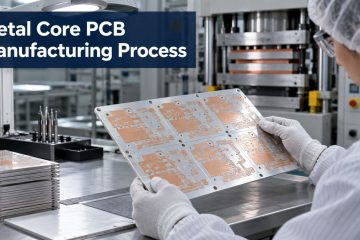
After receiving the files, a PCB factory checks the data, prepares CAM tooling, fabricates the layers, drills holes, plates copper, applies solder mask and silkscreen, finishes the surface, tests the board, and ships the finished PCBs. The exact sequence depends on board type and process complexity.
For simple boards, the process is straightforward. For boards with impedance control, blind vias, buried vias, heavy copper, fine pitch components, or tight annular rings, the front-end engineering review becomes more important. A good manufacturer will flag build risks before production rather than silently push the job into fabrication.
What DFM Checks Should You Do Before Sending the Order?
Do a quick DFM check before ordering: confirm minimum trace width, spacing, annular ring, drill size, copper-to-edge clearance, solder mask clearance, and board outline accuracy. These checks catch many avoidable production problems.
Also check whether your design rules match the supplier’s capabilities. If a design uses trace/space limits, hole sizes, or material assumptions that your supplier cannot support, the project may need layout adjustment before a reliable quote is possible.
How Should You Compare PCB Quotes Without Choosing the Wrong Supplier?
Compare PCB quotes by checking what is included, what is excluded, and what risks are still open. The lowest price is not always the lowest total project cost if it creates rework, late delivery, missing tests, or assembly problems.
Review whether the quote includes electrical testing, CAM questions, panelization, special tolerances, shipping terms, packaging, and any assembly-related preparation. If two prices are far apart, ask what process assumptions changed. This is especially important when comparing a quick online quote with a quote reviewed by an engineer.
When Should You Add Assembly, Testing or Panelization to the RFQ?
Add assembly, testing, and panelization requirements as early as possible when the bare board will become a functional PCBA. Assembly requirements can change surface finish, fiducials, tooling rails, breakaway tabs, test points, and packaging.
If your board is still a prototype, you can start with bare PCB fabrication. If the next step is soldering components, include assembly notes before manufacturing. That prevents the board from being fabricated in a way that makes later assembly harder than necessary.
What Questions Should You Ask Before Paying for Production?
Before paying for production, ask whether the files passed CAM review, whether any DFM risk remains, what the final lead time includes, and how the boards will be tested. A short question list can prevent expensive misunderstandings.
- Did CAM review find any file mismatch or unclear layer order?
- Are the quoted material, copper weight, finish, and tolerance confirmed?
- Is electrical test included?
- Will the order be panelized, and does that affect board outline or assembly?
- Are there any process limits that need design approval?
How PCBTRY Can Review Your Files Before Manufacturing
PCBTRY is a fit when a buyer needs PCB manufacturing support that checks files, build conditions, cost factors, and assembly boundaries before production starts. This is useful for prototype boards, low-volume builds, and projects where the quote needs more than a simple unit price.
If you want to get a PCB made, send PCBTRY your Gerber files, drill files, quantity, material, copper thickness, surface finish, delivery target, and any assembly notes at [email protected]. The team can review the files and help you compare cost, manufacturability, and production risk before you approve the order.
FAQ
Can a PCB manufacturer make a board from only a schematic?
Usually no. A schematic explains the circuit, but it does not define the copper layers, board outline, drill holes, solder mask, or manufacturing data. You normally need PCB layout files exported as Gerber and drill files before a manufacturer can fabricate the board.
Do I need a BOM to get a PCB made?
You do not need a BOM for bare PCB fabrication. You do need a BOM if you want PCB assembly, component sourcing, or turnkey PCBA service. For assembly, the BOM should include part numbers, values, package types, quantities, and substitution rules.
What is the easiest way to get a first PCB prototype made?
The easiest route is to finish the PCB layout, export Gerber and drill files, choose standard FR-4 specs, order a small quantity, and request basic electrical testing. Keep special materials, tight tolerances, and complex stackups out of the first build unless the design truly needs them.
How long does it take to get a PCB made?
Lead time depends on board complexity, quantity, material, finish, test requirements, and shipping. Simple prototypes can move faster than multilayer, HDI, rigid-flex, heavy-copper, or impedance-controlled boards. Ask whether the quoted lead time starts after file approval or after payment.
Related PCB Guides
If you are using this guide to prepare a PCB project, these related PCBTRY guides can help you connect the next step instead of reading each topic in isolation.
0 Comments