
Blog
PCB Design Process: Requirements, Layout and Release Checks
Follow a practical PCB design process from requirements and schematic capture through stackup, placement, routing, verification, Gerber review and production release.



Follow a practical PCB design process from requirements and schematic capture through stackup, placement, routing, verification, Gerber review and production release.
Design a reliable 5V power supply PCB layout by classifying the rail, mapping buck current loops, routing feedback, reviewing USB boundaries, thermal paths and validation evidence.
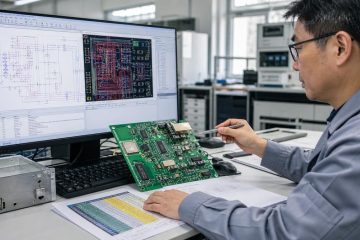
Evaluate a China PCB design service by defining inputs, stackup, DFM, review milestones, source-file ownership, and the final manufacturing handoff.

Learn PCB design through three beginner projects, from schematic and footprints to layout, ERC/DRC, manufacturing files, DFM and first-board checks.
A component does not simply release heat into open air. Heat must travel from the semiconductor junction or resistive element through the package, solder connection, PCB copper, vias, thermal interface, enclosure, heat sink, or surrounding air. PCB layout determines how continuous—or restrictive—that path becomes. Two boards using the same component Read more
Learn how to go from schematic to PCB in KiCad with footprint checks, board outline setup, routing, DRC, Gerber export and DFM review.
Learn how to read PCB layout files by checking board outline, layers, components, traces, vias, drill files, silkscreen, and DFM issues before fabrication.
Learn how to make PCB layout from schematic and footprints to placement, routing, DFM checks, Gerber files and manufacturing review.
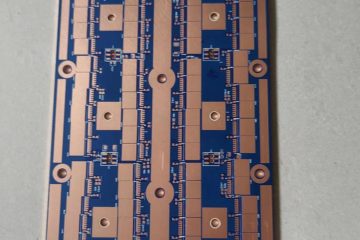
If you are new to PCB layout, copper pour can look a little strange at first. You finish routing the traces, click a button in your PCB design software, and suddenly the empty areas of the board are filled with copper. It may feel like decoration, or simply a way Read more
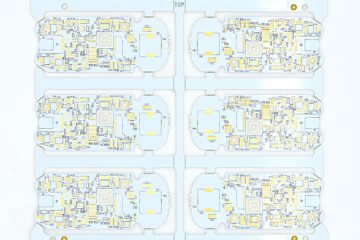
MCPCB provide superior heat dissipation for electronic products by integrating a highly thermally conductive metal core layer (typically aluminum or copper) into the circuit board. With the miniaturization of modern electronic devices and the ever-increasing power demands, the heat dissipation capacity of traditional PCB often fails to meet the needs Read more
If you have any enquiry about quotation or cooperation, please feel free to email us at [email protected] or use the following enquiry form. Oursales representative will contact you within 24 hours. Thank you for your interest in our products.