Blog
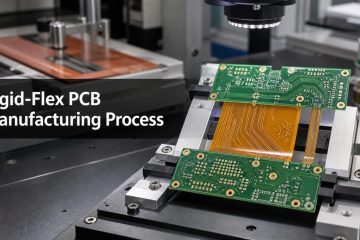
Rigid-Flex PCB Manufacturing Process: Controls and Tests
See how rigid-flex PCBs are built, which process controls prevent transition and plating failures, and what test evidence to request before ordering.



See how rigid-flex PCBs are built, which process controls prevent transition and plating failures, and what test evidence to request before ordering.
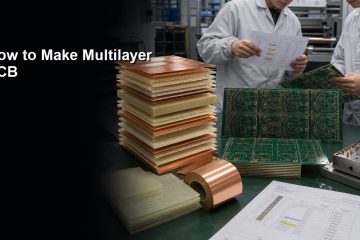
See how multilayer PCBs are designed, imaged, laminated, drilled, plated, finished, and tested, plus the files and DFM checks needed before fabrication.
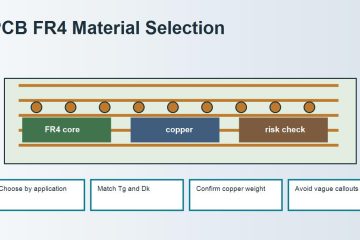
Choose PCB FR4 material by matching Tg, Dk, Df, thickness, copper and application risk to the actual board requirement.
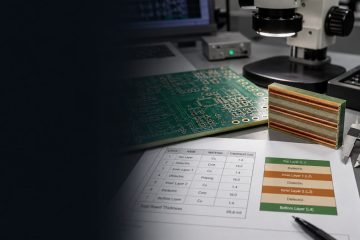
Learn a practical 4 layer PCB stackup, when to use signal-ground-power-signal layers, what to check for impedance, copper balance, vias and fabrication.
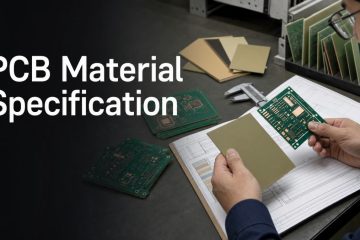
Learn how to specify PCB laminate, stackup, electrical and thermal properties, approved substitutes, fabrication notes, and supplier evidence.

Learn what PCB substrates are, how core and prepreg differ, which material properties matter, and how to specify a verifiable stackup for fabrication.
Learn how multilayer PCB boards are made, from stackup and inner layers to lamination, drilling, plating, testing and buyer DFM checks.
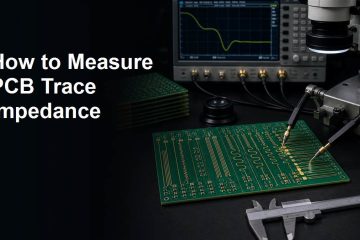
Learn how to measure PCB trace impedance with TDR, test coupons, stackup data, tolerance checks, and controlled impedance DFM review.
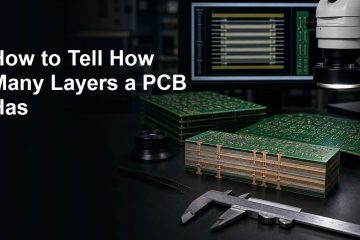
Learn how to tell how many layers a PCB has using edge inspection, vias, light checks, stackup clues, and when to ask a manufacturer for confirmation.
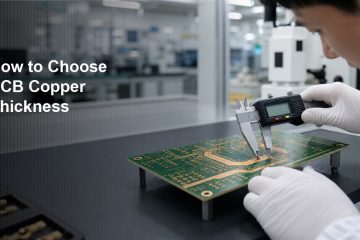
Learn how to choose PCB copper thickness by current load, trace width, temperature rise, via plating, layer stackup and manufacturing cost.
If you have any enquiry about quotation or cooperation, please feel free to email us at [email protected] or use the following enquiry form. Oursales representative will contact you within 24 hours. Thank you for your interest in our products.